
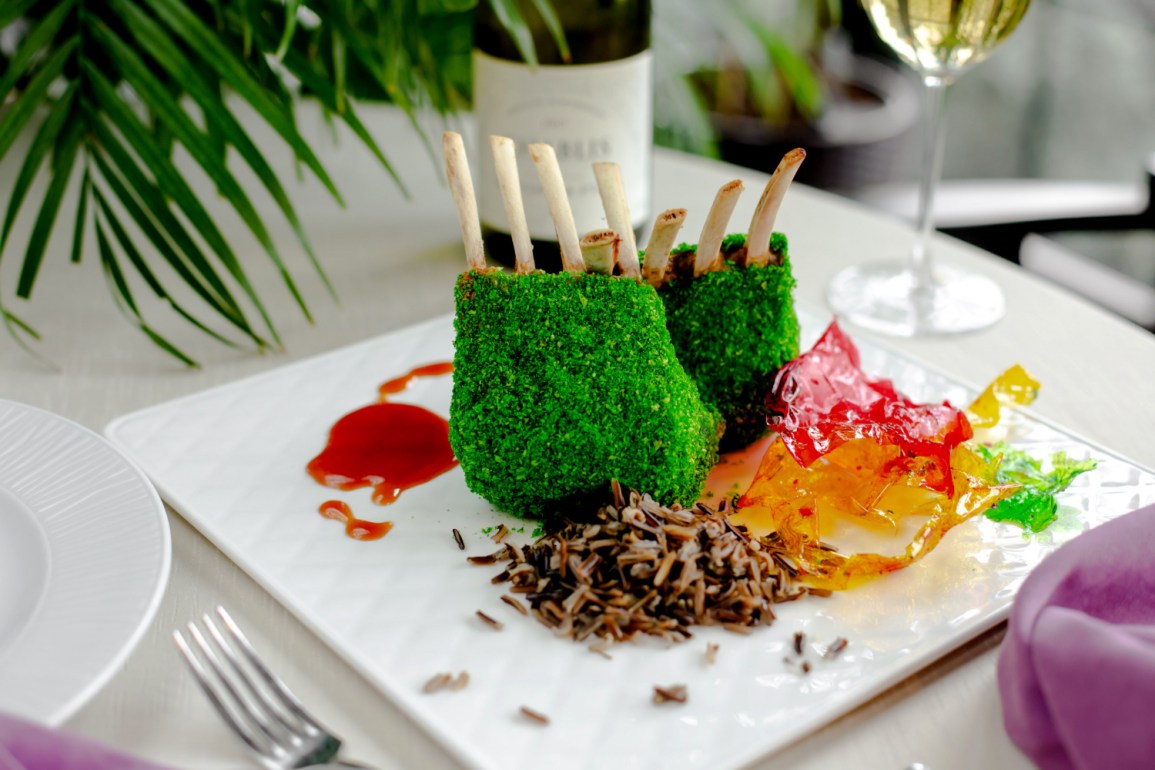
Modern cuisine has transformed the way many restaurants present food. Contemporary chefs often combine traditional ingredients with innovative techniques to create dishes that are both visually striking and flavorful.
In recent years, culinary presentation has become almost as important as taste. Many chefs carefully design plates to showcase textures, colors, and artistic arrangements that make each dish unique. This approach turns dining into an experience that engages both the palate and the eyes.
Modern cuisine frequently incorporates a balance of flavors and ingredients. Fresh herbs, grains, vegetables, and carefully prepared proteins are often arranged to create harmony on the plate. Chefs may experiment with new cooking techniques, sauces, or garnishes to elevate familiar ingredients into something unexpected.
Another important aspect of modern dining is attention to detail. Fine dining restaurants often emphasize high-quality ingredients, thoughtful plating, and carefully paired beverages that complement each dish. Wine, for example, is commonly paired with meals to enhance the flavors and overall dining experience.
Many contemporary restaurants also focus on sustainability by sourcing local and seasonal ingredients. This approach supports regional farmers and producers while ensuring that dishes are prepared with fresh, high-quality products.
Travelers exploring new cities often seek out restaurants known for creative cuisine. These dining experiences allow visitors to see how chefs interpret global food trends while still incorporating local ingredients and cultural influences.
Modern cuisine represents a blend of tradition and innovation. By combining creativity with culinary skill, chefs continue to redefine what dining can be, offering travelers unforgettable meals that reflect the evolving world of food.
Leave a Reply