
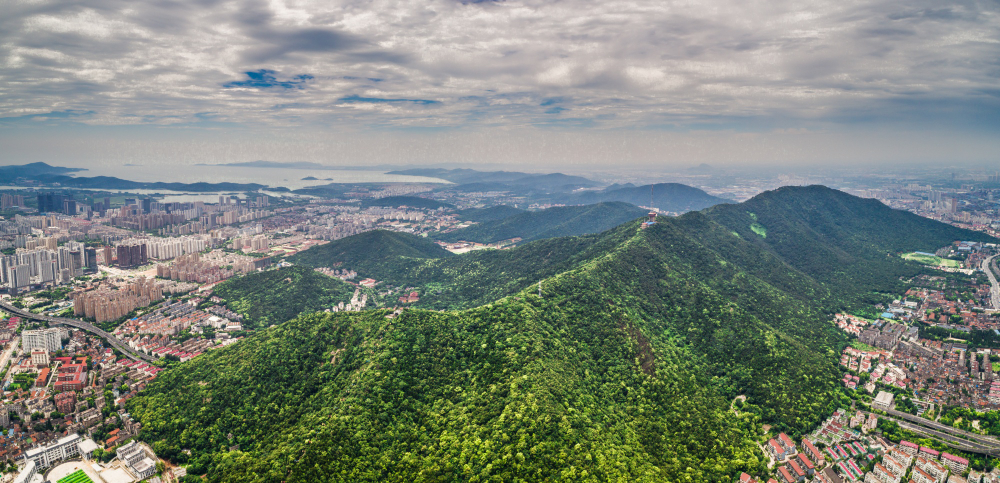
In 1991, Medellín had a murder rate of 381 per 100,000 people — the highest of any city on earth, in a country that was then consuming itself in a war between the state, the cartels, the paramilitaries, and the guerrillas. Pablo Escobar lived here. The sicarios worked here. The bombing campaigns that terrorised the country were planned in these barrios. This is the history that the city carries and that it has spent thirty years actively, intelligently, and with considerable success working to transform — not by pretending the history did not happen, but by investing in the communities and the infrastructure and the culture that the violence had hollowed out. What Medellín has done since the early 1990s is one of the most studied urban transformations in the world: the cable cars that connected the hillside comunas to the city’s metro system, giving communities that had been functionally isolated access to the rest of the city for the first time; the escalators built into the steep hillsides of the north; the libraries and parks and cultural centres planted in the most underserved neighbourhoods; the urbanismo social that made architecture and public space a tool of social policy. The result is a city that is genuinely, measurably, dramatically different from what it was — and that is also, entirely separately from its transformation narrative, one of the most pleasant, most beautiful, most interesting cities in Latin America to visit right now.

The Cable Cars and Comunas: How the City Reconnected Itself
The Medellín Metrocable is not a tourist attraction, although it has become one. It was built as public infrastructure — a cable car system integrated with the city’s metro, designed to connect the hillside comunas of the north and east, where the city’s poorest communities had been building houses on the steep slopes since the rural displacement of the 1980s and 1990s, to the valley-floor metro that the city’s wealthier residents used to move around. Before the cable cars, reaching the comunas from the city centre meant a long journey on dangerous roads through neighbourhoods where the state had minimal presence. After the cable cars, the journey was twelve minutes, and it cost the same as a metro ticket. The social effect was significant. The visual effect, from inside the gondola looking out over the city below and the barrios of the hillside above, is extraordinary: a sweeping view of the valley, the modern city centre in the distance, the densely packed houses of the comunas rising in tiers of colour up the green slopes, the cable strung between its pylons over the rooftops. The Comunas 13 tour — which most visitors to Medellín now do, either independently or with a guide — takes you through what was once the most violent neighbourhood in the most violent city in the world and is now a district of street art, community tourism, outdoor hip-hop performances, and the famous outdoor escalators that climb the hillside in six sections past murals painted by local artists on every available surface. The transformation is real. The murals are genuinely beautiful. The community organisations that run the tourism are the ones that helped build the peace. The experience is not tragedy tourism; it is the opposite of it.

El Poblado and Laureles: The Two Neighbourhoods That Define Modern Medellín
El Poblado is where most visitors stay and where most of the international restaurant and bar scene is concentrated — a hilly, green neighbourhood of cobblestone streets, flowering trees, boutique hotels, and a nightlife strip (the Parque Lleras area) that runs until the city’s liberal closing hours allow. It is pleasant, well-served, and slightly self-contained in a way that can make it feel like a bubble if you stay exclusively within it. The correct use of El Poblado is as a base from which to move outward, not as the destination itself. Laureles, across the river to the west, is where Medellín’s middle class lives and where the city’s food and café culture is arguably more interesting and less performed for international visitors: the Avenida El Poblado of Laureles is lined with restaurants and cafés that serve the local population first and tourists incidentally, and the neighbourhood’s weekend atmosphere — families at outdoor tables, the smell of arepa and coffee from street carts, the unhurried pace of a city that has learned to enjoy itself — is the best version of Medellín’s daily life. The Botanical Garden, adjacent to Laureles, is a genuine urban green space of 14 hectares that functions as both a park and a research institution, and the Explora Park next to it is a science museum whose building — a dramatic purple structure designed to look like an inverted mountain — is itself worth the walk past.

The Food: Arepas, Bandeja Paisa, and the Coffee That Comes From Here
Medellín is in the heart of the Antioquia region, and Antioquian food is the hearty, filling, unapologetically calorific cuisine of a mountain people who historically did hard physical work: the bandeja paisa, the region’s signature dish, is a platter that contains red beans cooked with pork, white rice, ground meat, chicharrón (fried pork belly), a fried egg, sweet plantain, an arepa, and a slice of avocado, and is served in quantities that make it both a meal and a statement of Antioquian identity. The arepa here is not the Venezuelan arepa — it is flatter, thinner, less stuffed, eaten alongside everything rather than as the vehicle for everything, and made from white or yellow maize in a way that produces a slightly crispy exterior and a soft, neutral interior that works as bread, as accompaniment, and as the base for the toppings of butter and salt and hogao (a tomato-and-onion sauce that is the Antioquian kitchen’s most useful preparation). The coffee is the detail that visitors often overlook: Medellín is in the Colombian coffee growing region, and the quality of the coffee available in the city’s growing specialty café scene — the third-wave roasters of El Poblado and Laureles who are working directly with farms in the Eje Cafetero an hour away — is extraordinary. A good cup of Colombian single-origin, prepared properly, in a café in Medellín, is one of the best coffees you will drink anywhere in the world. It is also, compared to specialty coffee in London or New York, comically affordable.
Practical Notes: When to Go, What to Know, What to Ignore
Medellín sits at 1,495 metres above sea level in the Andes, which gives it the climate that earned it the nickname La Ciudad de la Eterna Primavera — the City of Eternal Spring: temperatures between 18°C and 28°C year-round, rarely hotter, rarely colder, with afternoon rain showers that cool the city and clear quickly. There is no bad season, which is unusual and pleasant. February and March (dry season) and July and August (second dry season) have the clearest skies. The Feria de las Flores — the Flower Festival in early August — is the city’s most famous annual event, a week of parades, concerts, and the silleteros procession in which flower farmers from the mountains carry elaborate flower arrangements on their backs through the city centre; it is genuinely spectacular and worth timing a trip around. Spanish is the working language of Medellín and English is less widely spoken than in El Poblado’s tourist corridor might suggest; a basic level of Spanish makes the experience of being in the city dramatically richer. The safety situation is dramatically improved from the 1990s but is not uniform: tourist areas are safe; the advice to avoid certain neighbourhoods at night is real and should be followed; the general attitude of visitors who treat Medellín the way they would treat any major Latin American city — aware, not paranoid — is the correct one. The city rewards this calibration with an openness and warmth that will surprise anyone who arrives with their guard set too high.
Medellín does not ask you to forget its history. It asks you to see what it has done with it — the cable cars, the murals, the libraries built in the comunas that needed them most, the city filling its Andean valley with a quality of urban life that would be remarkable anywhere and is extraordinary given where it started. Go for the transformation if that’s what brings you. Stay for the city, which is excellent entirely on its own terms.
Leave a Reply