
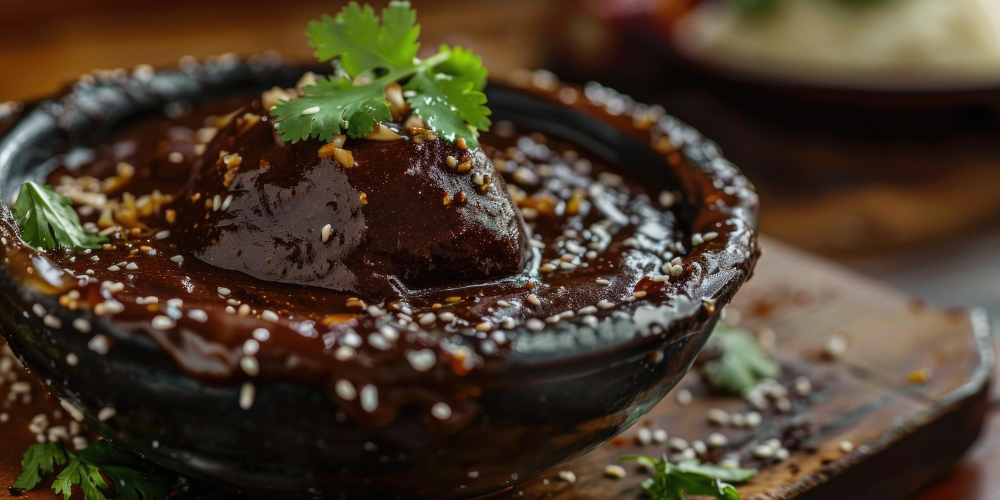
Mexico has thirty-one states and the food of each of them is sufficiently distinct that a person who spent a year eating their way through them would finish with the conviction that Mexican food is not a cuisine but a collection of cuisines, related by language and some ingredients but diverging so dramatically in technique, flavour, and philosophy that grouping them under a single name is a category error of significant proportions. This is the argument that Oaxacans make about their own cooking, and they make it with justification. Oaxaca, in the mountains of southern Mexico, is home to the largest number of indigenous communities in the country — sixteen distinct ethnicities, each with their own language, their own textiles, their own specific food traditions — and the cooking of the state’s capital, also called Oaxaca, represents the point where all of these traditions meet the mestizo cooking of the colonial city and produce something that is simultaneously ancient and endlessly complex. The mole is the most famous expression of this complexity — Oaxaca is called the land of seven moles, and the mole negro, the darkest and most elaborate of them, contains more than thirty ingredients and takes days to prepare — but the mole is not even where the Oaxacan food story begins. It begins in the market, with the corn that has been grown in these valleys for thousands of years and that forms the foundation of everything that follows.

The Seven Moles: Why Oaxaca Earned Its Name
The word mole comes from the Nahuatl molli, meaning sauce, and in Oaxaca it refers to seven distinct preparations that represent seven different flavour philosophies built from overlapping sets of ingredients. Mole negro is the most famous and the most demanding: a sauce of mulato, ancho, and pasilla negro dried chillies, roasted and soaked and blended with charred tortilla (the char giving the sauce its darkness), chocolate, plantain, raisins, almonds, sesame seeds, tomatoes, tomatillos, garlic, onion, and a spice mixture of cumin, cloves, black pepper, and Mexican cinnamon — everything ground together on a stone metate or in a blender, fried in lard until the paste darkens further, then thinned with turkey broth and cooked slowly until the fat rises to the surface and the sauce has a sheen and a depth that thirty ingredients and two days of labour produce. It is served over turkey — the original preparation — or chicken, with black beans and a stack of tortillas, and the eating of a proper mole negro in Oaxaca is one of the most significant food experiences in Mexico. Mole coloradito is brick-red and sweeter, made with ancho chillies, tomatoes, and chocolate in a simpler combination. Mole amarillo — yellow mole — uses fresh chillies and tomatillos, lighter and more acidic, often served with vegetables or fish rather than meat. Mole verde, made with fresh herbs, pumpkin seeds, and green tomatillos, is bright and herbaceous. Chichilo is made with beef and the charred mulato and chilhuacle negro chillies and has a smoky, slightly bitter quality unlike any of the others. Manchamanteles — literally stain-tablecloth — is a fruity mole with pineapple, plantain, and dried chillies cooked together into something that is simultaneously sweet and deeply savoury. Estofado is the mole most influenced by Spanish colonial cooking: olives, capers, and sweet spices in a preparation that shows the meeting of the pre-Columbian and the European in a single pot.

Tlayudas, Memelas, and the Food That Oaxacans Actually Eat Every Day
The mole negro gets the international attention, but what Oaxacans eat every day — breakfast, lunch, the late-night snack after mezcal — is the tlayuda. A tlayuda is a large tortilla, 30 to 40 centimetres in diameter, made from Oaxacan corn and cooked on a comal until it is partially crisped but not brittle, then spread with asiento (the dark, fermented residue of rendered lard that is the flavour foundation of Oaxacan street food) and black bean paste, topped with Oaxacan quesillo — the stretchy, fresh string cheese that is pulled into ribbons and draped over the beans — and then with your choice of tasajo (thinly sliced beef cured with salt and dried in the sun), cecina (similar but from pork), chorizo negro (the dark, spiced Oaxacan sausage made with chile negro rather than the red chorizo of the north), or mushrooms in season. The whole thing is eaten folded or flat, the cheese melting into the beans, the asiento giving a depth of flavour that no other fat produces in quite the same way. The market women who have been making tlayudas on the same comals in the Mercado 20 de Noviembre and the Mercado Benito Juárez for decades are the correct people to buy them from. The memela is the smaller, daily version — an oval masa cake cooked on the comal, spread with beans and asiento and eaten for breakfast with a cup of Oaxacan chocolate — and it is the food that gets the city going before the tourists arrive, sold from the stalls outside the markets before 8am.

Mezcal, Chocolate, and the Drinks That Belong to Oaxaca
Mezcal is made from agave plants, and Oaxaca has more wild and cultivated agave varieties than any other state in Mexico — some of them taking twenty or thirty years to reach maturity before they are harvested, their hearts roasted in earthen pits for days to develop the smokiness that distinguishes mezcal from tequila (which is made exclusively from one variety of agave, the blue Weber, and without the pit-roasting). The complexity of Oaxacan mezcal is the complexity of terroir: the same agave species grown in different valleys, at different altitudes, by different families using different-sized clay or copper stills, produces spirits so different from one another in flavour that comparing them is like comparing burgundy to Champagne rather than two versions of the same drink. Mezcal is drunk in Oaxaca at room temperature, in small clay copitas without ice, sipped slowly enough to taste what is in it — the smoke, the fruit, the mineral quality of the agave, the specific character of the water and the wood and the hands that made it. The mezcalerías of Oaxaca’s historic centre are the places to understand this: small bars with lists of producers and varieties, where knowledgeable staff will walk you through the range and where the correct approach is to taste several before choosing a favourite. Oaxacan chocolate is the other drink: cacao ground with cinnamon, sugar, and almonds on a stone metate, formed into tablets, and dissolved in hot water or milk to produce a thick, grainy, intensely flavoured chocolate drink that is entirely unlike the smooth, processed hot chocolate of European tradition and entirely superior to it. The chocolate mills around the Mercado Benito Juárez will grind your cacao to order while you watch, and drinking the result warm, in a market stall, with a memela and a handful of chapulines on the side, is the correct Oaxacan breakfast.
Chapulines, the Markets, and the Ingredients That Define a Cuisine
Chapulines — toasted grasshoppers, seasoned with lime, chilli, and salt — are Oaxaca’s most discussed ingredient and its most misunderstood. They are not a novelty or a challenge food. They are an ingredient: a source of protein that pre-Columbian Zapotec cooking incorporated into the diet thousands of years before anyone had thought to import protein from elsewhere, and that the Oaxacan kitchen uses today with the same matter-of-fact practicality that a French cook uses lardons. Eaten as a snack with mezcal, scattered over tlayudas and guacamole, folded into quesillo tacos — the chapulín adds a crunch, a toasted nuttiness, a gentle heat from the chilli, and a high protein content in a form that requires no refrigeration and no cooking beyond the initial toasting. The women who sell them in the markets carry them in baskets and sell them by the scoop. The correct approach for the first-timer is to buy a scoop, eat them standing at the stall, and note that they taste like what they are: a toasted, lime-salted snack with the texture of a corn nut and the flavour of something ancient and specific to this place. The markets of Oaxaca — the Mercado Benito Juárez, the Mercado 20 de Noviembre, the Saturday market of Tlacolula, the Sunday market of Tlacolula’s valley neighbours — are the correct context for understanding all of this: the dried chillies in their dozens of varieties, the fresh herbs, the mole pastes sold ready-ground, the tejate (the pre-Columbian corn and cacao drink of the Zapotec, still made by hand in the market and still extraordinary), the memeleras and tlayuderas who have been cooking on the same comals since before the current market building was constructed. The food of Oaxaca begins and ends in its markets, as the food of every serious culinary culture does.
Oaxacan food is not accessible in the way that some cuisines are accessible — it does not translate easily to the home kitchen outside Mexico, because the ingredients it depends on (the specific dried chillies, the asiento, the Oaxacan corn, the wild agave mezcal) are not easily substitutable and are only partially available outside their origin. This is, in a way, the point. Oaxacan food rewards the journey. Eat the mole negro in Oaxaca, where the chillies were dried in the Oaxacan sun and the chocolate came from the mills in the market and the turkey was raised in the valley. Drink the mezcal from the clay copita, in the mezcalería, with the producer’s name on the bottle and the agave variety specified on the label. Eat the tlayuda at the market stall, folded and hot from the comal. These are not recommendations. They are the only way to eat this food as it deserves to be eaten.
Leave a Reply