
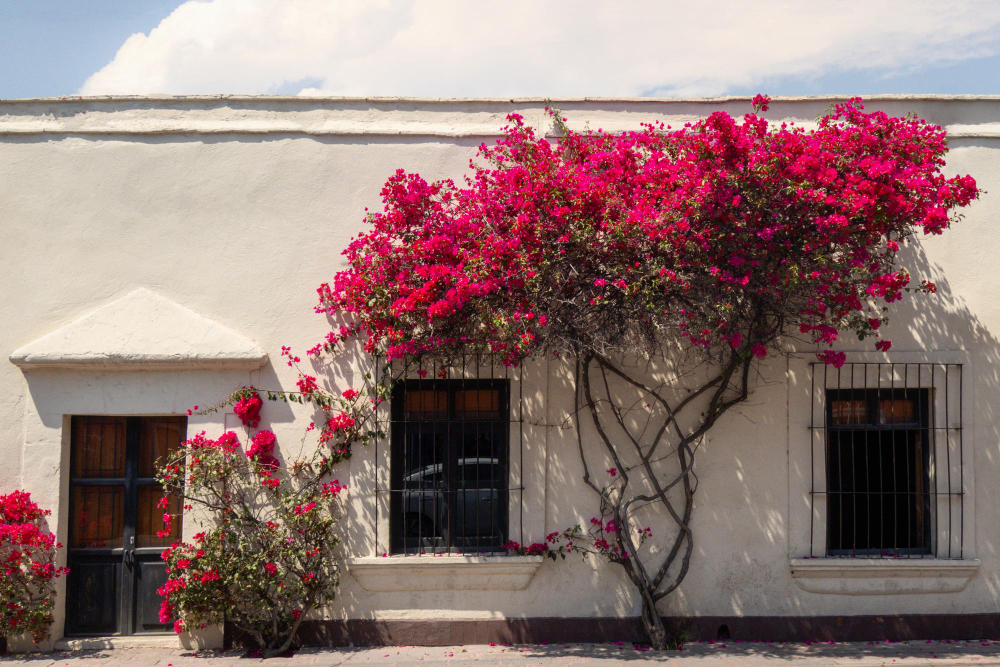
The photographs of Cartagena are accurate. This is the first thing worth establishing, because the photographs of most famous places are not accurate — they compress, enhance, select, and edit until the destination they depict exists primarily as a marketing object rather than a place. Cartagena’s photographs are accurate: the walled Old City (Ciudad Amurallada) really is that colour, those terracotta and ochre and rose-pink and yellow colonial facades really do glow in that specific way in the evening light, the bougainvillea really does cascade over the balconies in those quantities of purple and fuchsia, and the sea really is that shade of blue beyond the walls. What the photographs do not convey, and what the city’s formidable Instagram reputation tends to obscure, is that Cartagena is also historically layered in ways that matter, gastronomically interesting in ways that extend well beyond the hotel restaurants of the Walled City, and possessed of a music and street culture — the cumbia and vallenato that rises from the neighbourhood bars of Getsemaní on weekend nights — that is entirely absent from the carefully curated experience that most visitors to the Old City have. The full version of Cartagena is better than the photographs, and it requires only that you walk beyond the walls.
The Walled City: How to Actually Experience It
The Ciudad Amurallada was built by the Spanish between the 16th and 18th centuries to defend what was then one of the most important ports in the New World — the city through which the gold and silver of South America passed on its way to Spain, and which was attacked, sacked, and besieged repeatedly by British, French, and Dutch privateers before the fortifications were made impregnable enough to stop them. The walls that ring the Old City are 11 kilometres in total and up to 17 metres high in places, and walking them at sunset — the standard recommendation and entirely correct — gives views simultaneously over the rooftops and church towers of the Old City and out over the Caribbean to the west, with the sun going down into the sea and the city below shifting from warm afternoon light into the illuminated evening gold that is Cartagena’s most photographed state. The Old City inside the walls is compact — about a kilometre across — and its neighbourhoods divide clearly: the Centro, where the churches and government buildings and most expensive hotels are concentrated; San Diego, the former neighbourhood of the middle class, now full of boutique hotels and better restaurants; and the streets around the Plaza de los Coches and Plaza de la Aduana, which are the commercial and social heart of the old city. The Cathedral Basílica de Cartagena, begun in 1575 and damaged by Francis Drake’s cannon fire in 1586 (the repair work is visible in the fabric of the building), is the most historically layered building in the city. The Plaza de Bolívar, ringed by colonial palaces, is the place to sit at a café table in the evening and watch the city operate at its most beautiful and most self-aware.

Getsemaní: The Neighbourhood That Makes Cartagena Complete
Getsemaní is the neighbourhood that lies just outside the city walls to the south — the former working-class barrio where the people who built and maintained the Walled City’s economy actually lived, since the colonial elite occupied the Old City proper. It was, until the 2000s, consistently described in guidebooks as an area to avoid. It is now, consistently and accurately, described as the most interesting neighbourhood in Cartagena — a dense grid of streets where colonial buildings painted in even more vivid colours than the Old City are covered in street murals, where the Plaza de la Trinidad fills every weekend evening with locals dancing cumbia and vallenato while food vendors circle the square with trays of empanadas and arepa de huevo and cold beer, and where the bars and restaurants that have opened in the last decade serve a Cartagena that has nothing to do with the luxury hotel experience of the Walled City and everything to do with the Caribbean Colombian culture that is the city’s actual identity. The transition between the Walled City and Getsemaní is a five-minute walk through the clock gate (Puerta del Reloj) and across the small bridge, and the change in atmosphere is immediate and dramatic: from a neighbourhood curated for tourism to a neighbourhood that is curated by its residents for themselves, with tourism accommodated rather than catered to. Eat in Getsemaní. Drink in Getsemaní. Stay in one of the neighbourhood’s smaller guesthouses if you can, because the Getsemaní at midnight — the music from the bars, the children still playing in the plaza, the warmth that the Colombian Caribbean produces as a baseline condition of social life — is the experience that the Walled City, for all its beauty, cannot provide.

The Food: Arepas de Choclo, Ceviche, and What the Caribbean Changes
Cartagena’s food is Colombian Caribbean food, which is a distinct and important qualification — the climate, the geography, and the African culinary influence of the Caribbean coast produce a cuisine significantly different from the interior Colombian food (bandeja paisa, ajiaco) that most people associate with the country. The African influence is the most important layer: the enslaved Africans brought to Cartagena as the largest slave port in South America brought their cooking techniques and their ingredients, and the combination of African, Spanish colonial, and indigenous Afro-Caribbean traditions produces the specific flavour profile of costeño (coastal) cooking. Arepa de choclo is the Caribbean version — made from fresh sweet corn rather than dried maize, griddled until the exterior caramelises slightly and the interior is soft and sweet, served with butter and costeño cheese, and eaten at breakfast or as a snack at any hour. Ceviche here is the Colombian Caribbean version — shrimp or fish “cooked” in lime juice with tomato, onion, coriander, and the fruity yellow Scotch bonnet relatives that give coastal Colombian cooking its specific heat — lighter and more tropical than the Peruvian style. The fritos — the fried street foods sold from the carts around the Walled City and Getsemaní: carimañola (yuca fritters filled with meat), buñuelos (cheese fritters), empanadas — are the food of the street and the afternoon, eaten standing up with a cold agua de panela. La Cevichería, on the edge of the Walled City, is the restaurant that the food media consistently cites for a reason and delivers on the citation: the seafood is what the Caribbean provides and the kitchen is serious about what it does with it. But the most memorable eating in Cartagena is not in restaurants; it is at the carts and counters of Getsemaní, where the food costs a fraction of the Old City prices and reflects the actual food culture of the city rather than its tourism economy.

The Islands and When to Go
The Rosario Islands — a cluster of coral islands in a national park 45 kilometres west of Cartagena by fast boat — are the correct answer to the question of where to swim near the city. The water clarity at the Rosarios is significantly better than at the beaches immediately around Cartagena (which are pleasant but not the Caribbean at its best), and the snorkelling above the coral reefs gives access to a marine environment that the Caribbean coast of Colombia has protected reasonably well. The boat trip from the Muelle de la Bodeguita takes about 90 minutes and day trips are easy to organise, with most boats leaving in the morning and returning in the afternoon. The Islas del Rosario accommodation — small eco-lodges on the islands — is the correct base for anyone who wants more than a day trip, and the experience of waking up on a small coral island with the Caribbean around you and Cartagena invisible on the horizon is a different version of the same coast. Go to Cartagena in December, January, or February — the dry season, when the Caribbean wind keeps the humidity manageable and the rain is minimal. March to May is still acceptable. June through November is the rainy season: hot, humid, with significant rainfall that makes the outdoor pleasures of the Walled City and Getsemaní considerably less pleasurable. Christmas and New Year in Cartagena are festive to a degree that the rest of the year cannot match — the streets of both the Walled City and Getsemaní are lit and decorated and the music goes until considerably later than usual — and the combination of the city at its most beautiful with the Colombian Caribbean at its most celebratory is a specific and excellent thing to experience if the dates work.
Cartagena is one of those cities that has been discovered and then overdiscovered and is now in the process of being re-evaluated by people who are tired of the Instagram version and want to know what is actually there beneath the bougainvillea and the colonial facades. What is actually there is: a serious history, a distinct and interesting food culture, a neighbourhood — Getsemaní — that is doing things that the Old City cannot, a Caribbean coast with good coral and excellent seafood, and an evening light on the stone walls that the photographs really do get right. Go for all of it. Start with the walls at sunset. End up in Getsemaní at midnight. The cumbia will find you.
Leave a Reply